



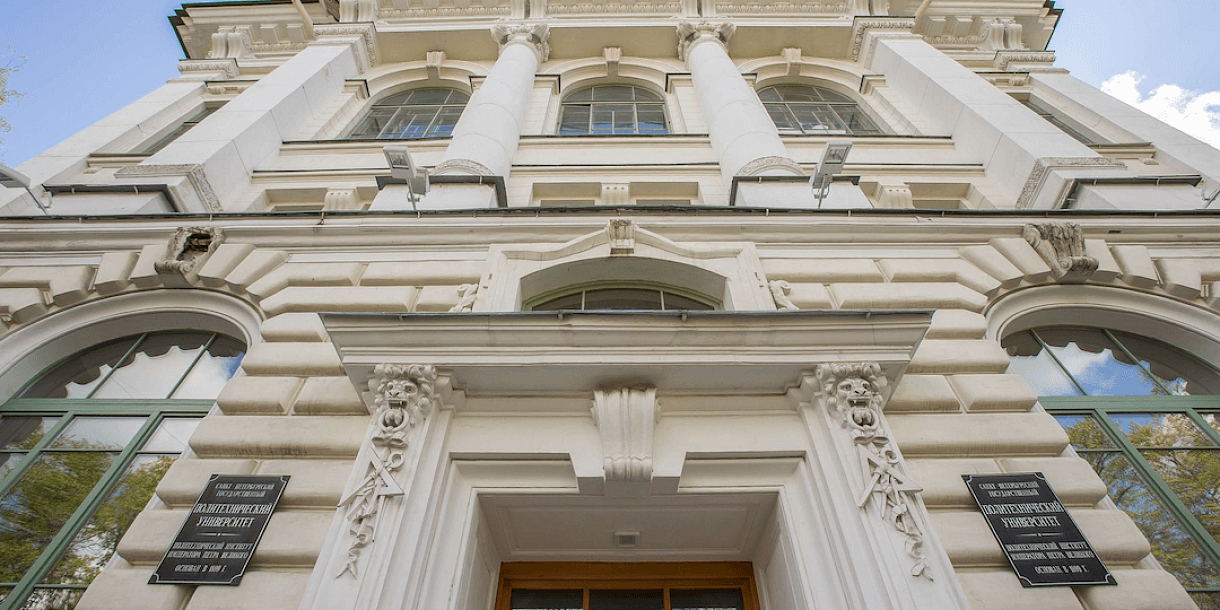
About the University
SPbPU is one of the country's leading polytechnic universities, training highly qualified specialists, conducting research and delivering innovative developments for high-tech industries, as well as supporting the all-round development of young people and the communities around the university. In 2026, the university is among the top-10 higher education institutions of the Russian Federation and holds 9th position in the RAEX-100 ranking.
In 2010, SPbPU was granted the status of a national research university, recognising its role and capabilities both in training specialists and in multidisciplinary research and development. The Polytechnic University consistently holds leading positions in the ranking of Russian technical universities.
More than 5,000 international citizens study in the university's main higher-education programmes. SPbPU is a partner of many leading universities and research centres abroad: comprehensive cooperation is maintained with more than 350 universities from 64 countries, while over 70 companies and organisations from 28 countries work with SPbPU on the basis of direct contractual relations.
Every year, SPbPU hosts more than 30 international scientific symposia and conferences, whose participants often include outstanding scientists from Russia and around the world, Nobel laureates and laureates of the «Global Energy» prize.
Academic Module
In 2026, the concept of the Winter University in engineering sciences focuses on the synergy of engineering thinking and advanced technologies. The main emphasis of the programme is on mastering the practical implementation of artificial intelligence tools in the research and industrial projects that students will shape during the event. Participants will not merely study AI theory but will learn to apply neural networks in the design, modelling and optimisation of their own engineering solutions. The intensive will culminate in team projects in which AI acts as a key driver for creating the innovations of the future.
The educational part of the Winter University is delivered by the leading research and education units of the SPbPU Advanced Engineering School «Digital Engineering» and the university's institutes:
- National Technology Initiative Centre «New Production Technologies»;
- Engineering Centre «Centre for Computational Engineering» (CompMechLab®);
- Centre for Continuing Professional Education;
- Higher School of Advanced Digital Technologies.
The Winter University in engineering sciences is divided into 3 tracks. The main objective of the educational module is to teach participants to correctly apply AI tools in engineering and industrial projects: this covers not only the generation of text or images by neural networks, but a broader range of tasks — data analysis, forecasting, classification, decision support, process optimisation and the development of digital services for industry.

Bernoulli
The «Bernoulli» track focuses on engineering design, modelling, topological optimisation, work with physical processes and the creation of competitive technical solutions. Participants study modern approaches to digital engineering, the design of products and systems, and industrial design, and become familiar with engineering practices in high-tech industries.
Within the educational module, the emphasis is on how to use artificial intelligence in the development of engineering objects: from generating design ideas and analysing constraints to optimising the structure, searching for alternative solutions, preparing the calculation logic and visualising the result. Participants will learn to combine classical engineering thinking with modern digital tools while remaining critical of the results produced by neural networks.
Kurchatov
The «Kurchatov» track is devoted to engineering solutions for high-tech industries, energy, materials science and modern production processes. Participants will get to know the current challenges of industry, approaches to working with materials, technological constraints, the specifics of energy systems and the capabilities of digital engineering.
Particular attention is given to how artificial intelligence can be used in research and technology projects: for analysing experimental data, identifying patterns, tuning parameters, modelling material properties, assessing the efficiency of production processes and supporting engineering decisions. Participants will learn to see AI not as a universal replacement for an expert, but as a tool that strengthens the engineer's research and design reasoning.

Turing
The «Turing» track is devoted to artificial intelligence, data, smart manufacturing, digital transformation and the creation of technology products based on modern digital solutions. Participants will explore the capabilities of industrial AI, cyber-physical systems, data analysis, supply chain management and the development of high-tech start-up ideas.
Project Module
In the project module, teams work on solving an applied engineering or technological problem within the chosen track. The work proceeds from analysing the problem and formulating an engineering hypothesis to selecting AI tools, developing a solution and preparing its justification.
The outcome is a team project in which artificial intelligence acts as the central element of the solution: for example, the optimisation of a production process, a materials-analysis model, a tool to support engineering calculations, a digital service for smart manufacturing or a technology start-up concept. Teams present not only the idea but also the logic of its practical implementation — the target audience, the expected effect, constraints, risks and possible steps towards adoption.
Cultural and Leisure Module
As part of the cultural and leisure module, participants are offered an excursion programme that includes an introduction to the main sights of St. Petersburg, as well as visits to the largest Russian and world art museums and architectural landmarks.
In addition to the excursion programme, activities are organised for the participants to get to know one another and encourage intercultural communication, along with master classes led by teachers and senior staff of the Advanced Engineering School «Digital Engineering».
Excursion Programme
State Hermitage Museum
The State Hermitage Museum holds a collection of around three million works of art and monuments of world culture. It comprises painting, graphic art, sculpture and applied art, archaeological finds and numismatic material.
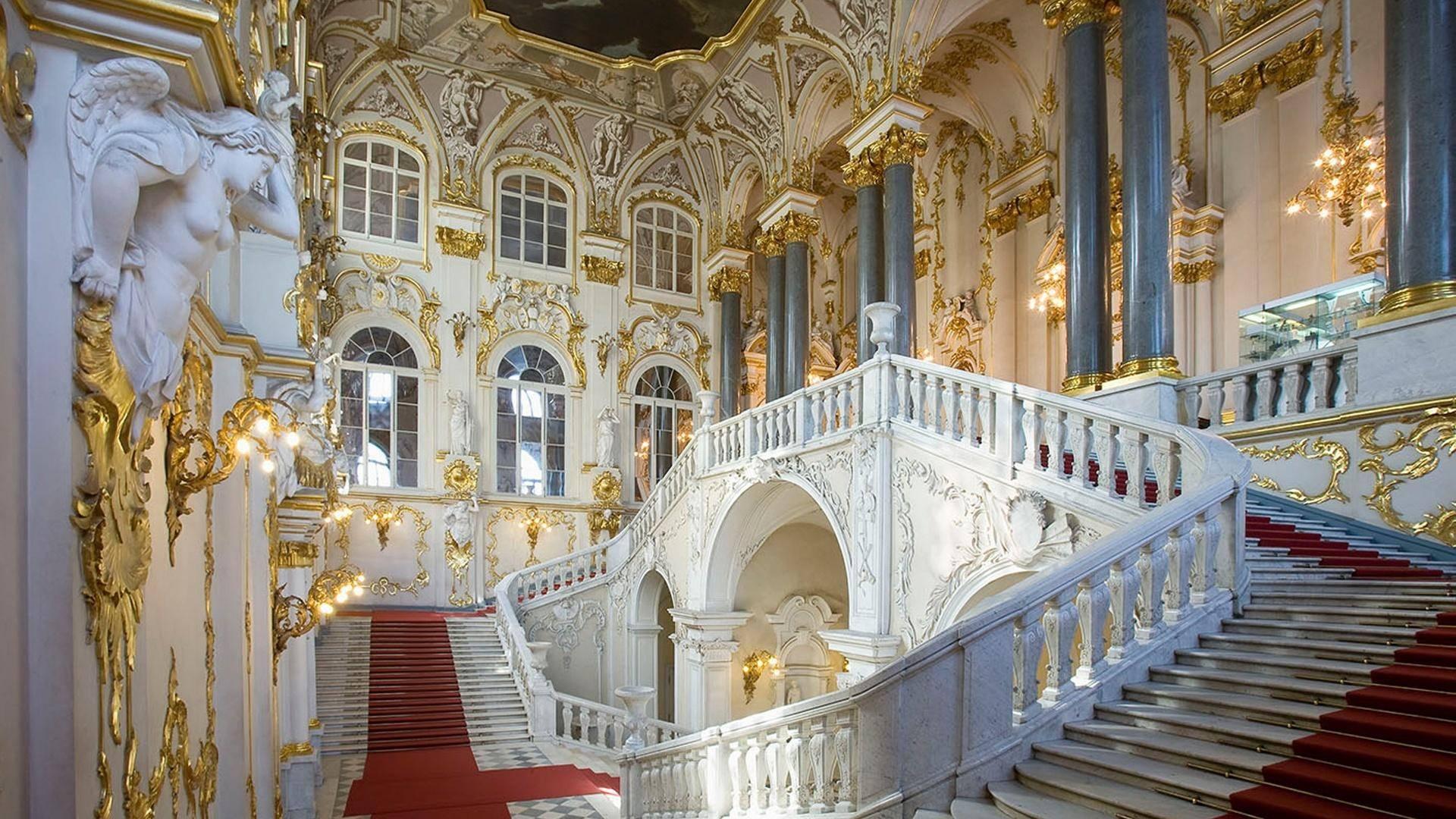
1764 is considered the year the Hermitage was founded, when Catherine II acquired a collection of paintings from the Berlin merchant J.-E. Gotzkowsky. The museum celebrates its founding day every year on 7 December — St. Catherine's Day.
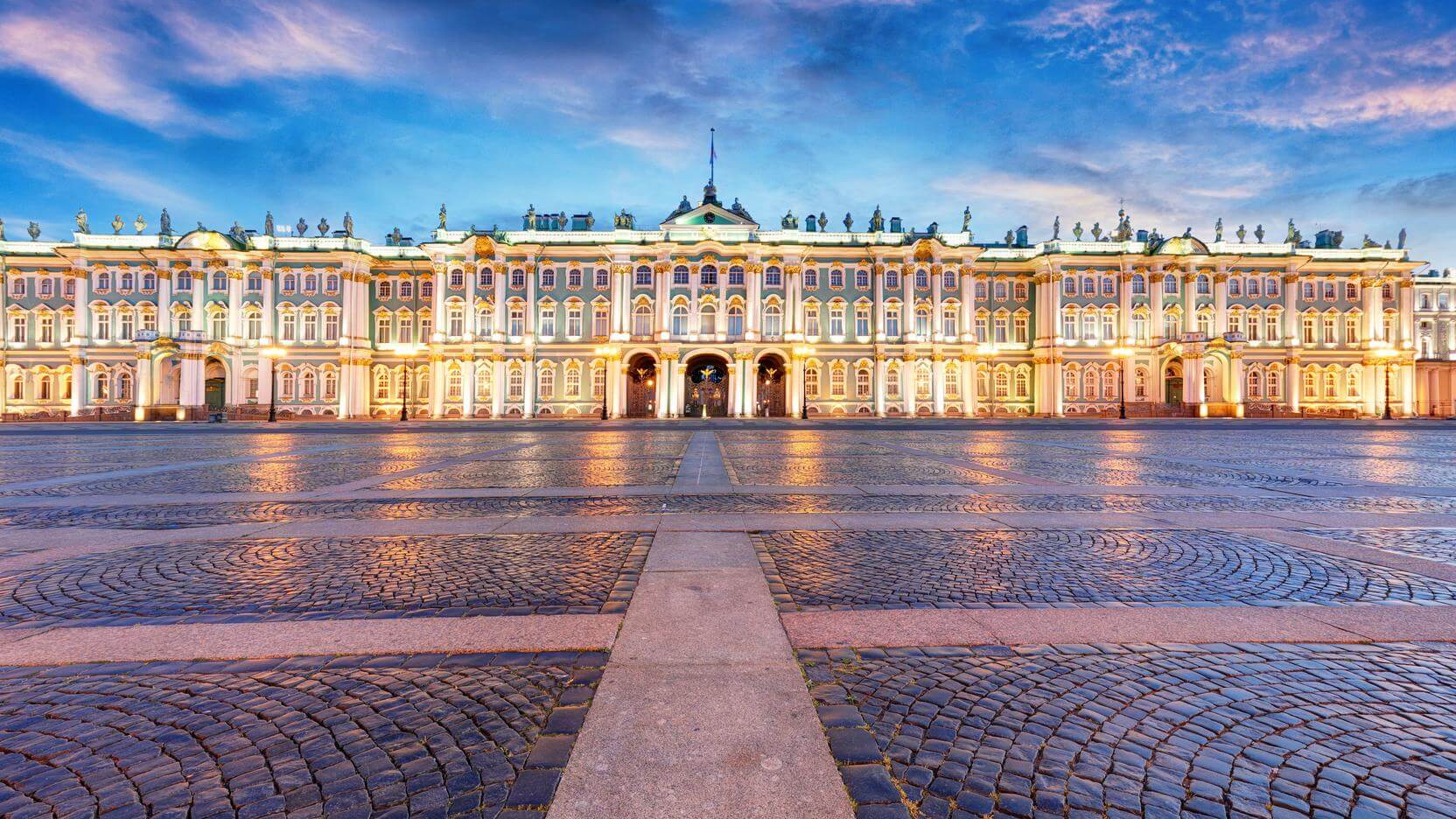
The Hermitage holds more than 3 million exhibits.
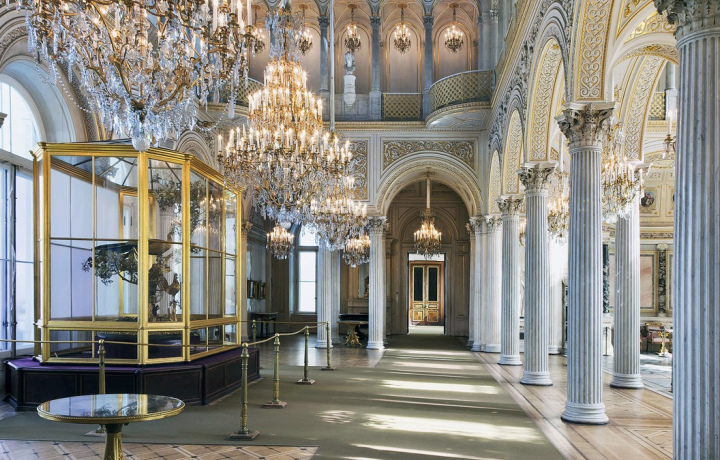
A guided overview excursion in Russian and English awaits the students.
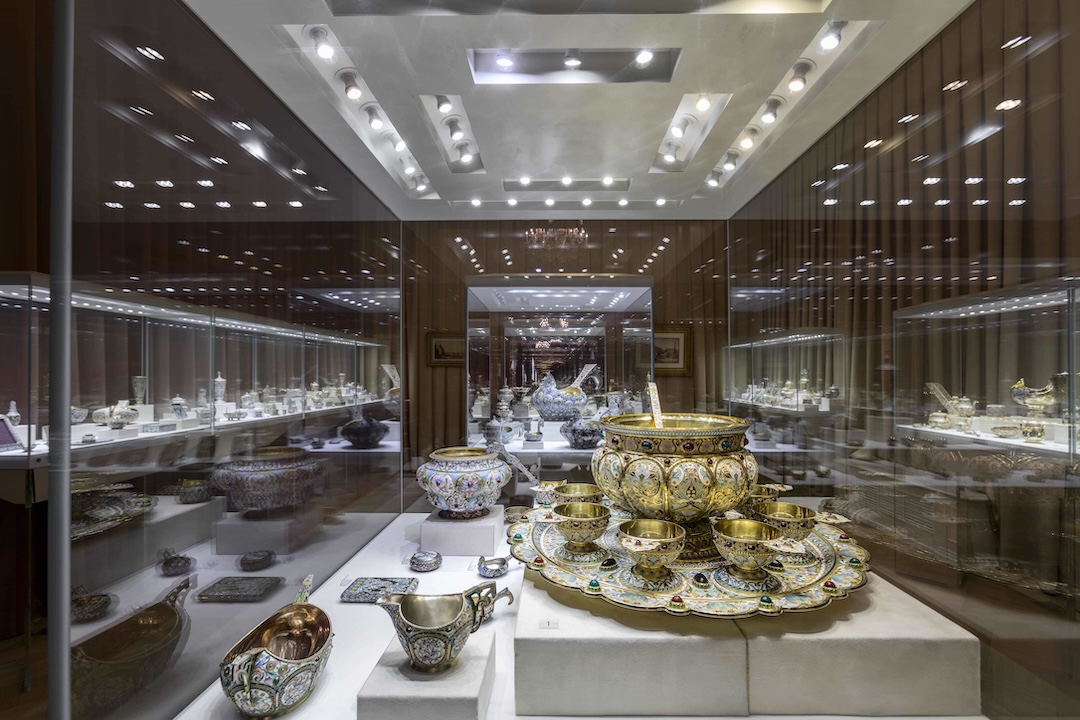
Fabergé Museum
The core of the museum's collection is the largest assembly of masterpieces by the House of Carl Fabergé. The most valuable are the nine Easter eggs created by the firm's masters for the last two Russian emperors. All of them are masterpieces of the jeweller's art and unique historical monuments connected with the reign and personal lives of Emperors Alexander III and Nicholas II.
Today the Fabergé Museum's collection numbers more than 4000 exhibits; it also features other areas in which the House of Fabergé worked: objets de fantaisie, jewellery, silver tableware, and interior and religious items.
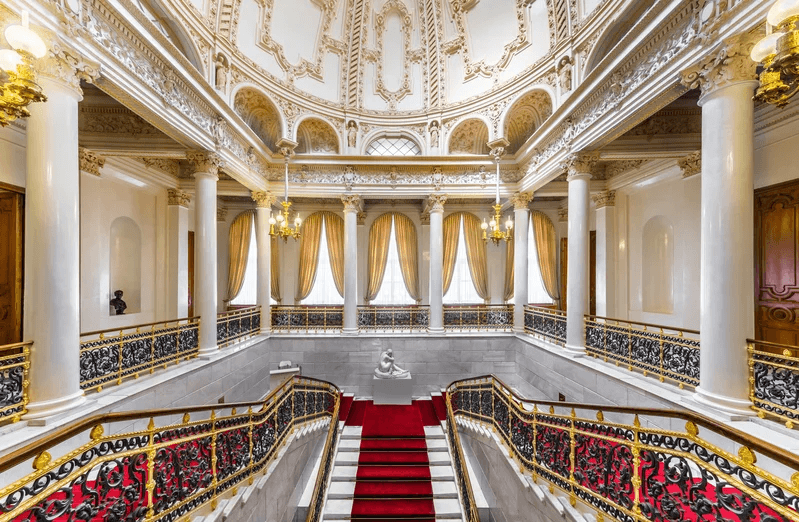
A guided overview excursion in Russian and English.
Yusupov Palace
The Yusupov Palace is a unique architectural ensemble of the 18th–20th centuries, a historical and cultural monument of federal significance that earned the reputation of an «encyclopaedia» of the St. Petersburg aristocratic interior. The history of the palace and its surrounding estate goes back to the Petrine era, to the period when the young Northern capital was emerging.
The palace-and-estate complex was created over almost two centuries.
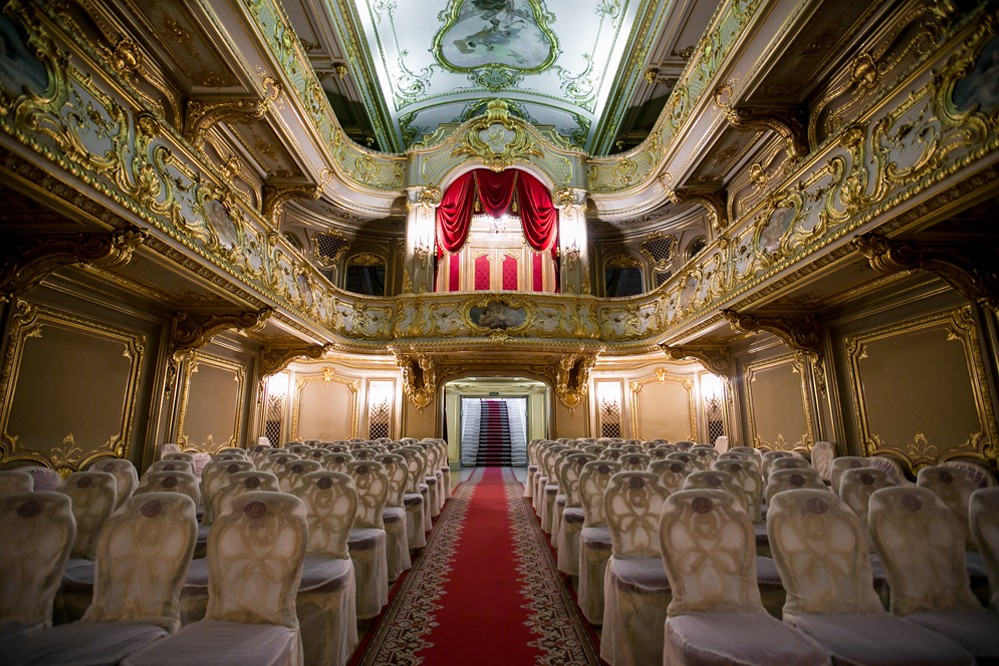
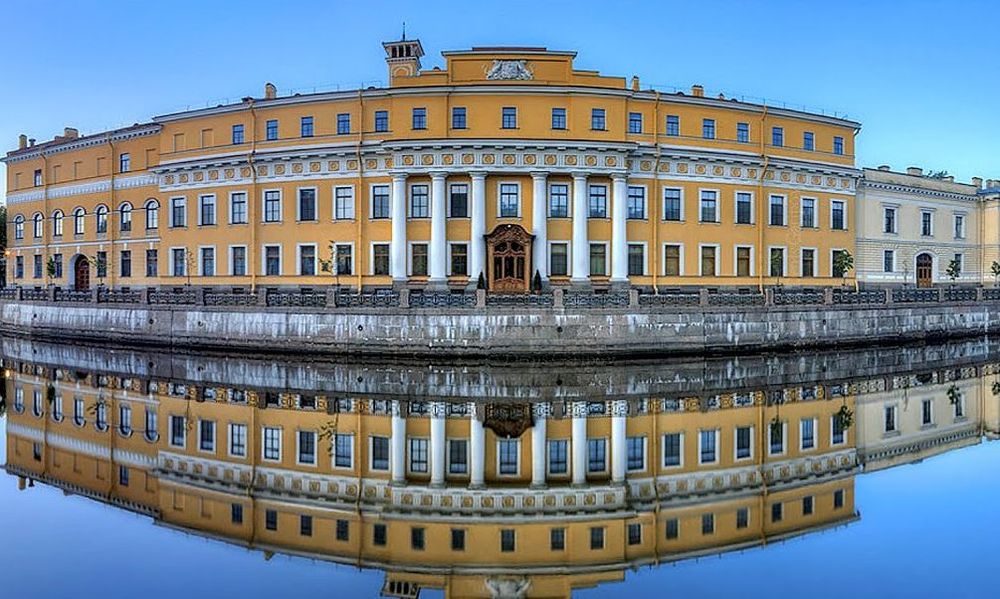
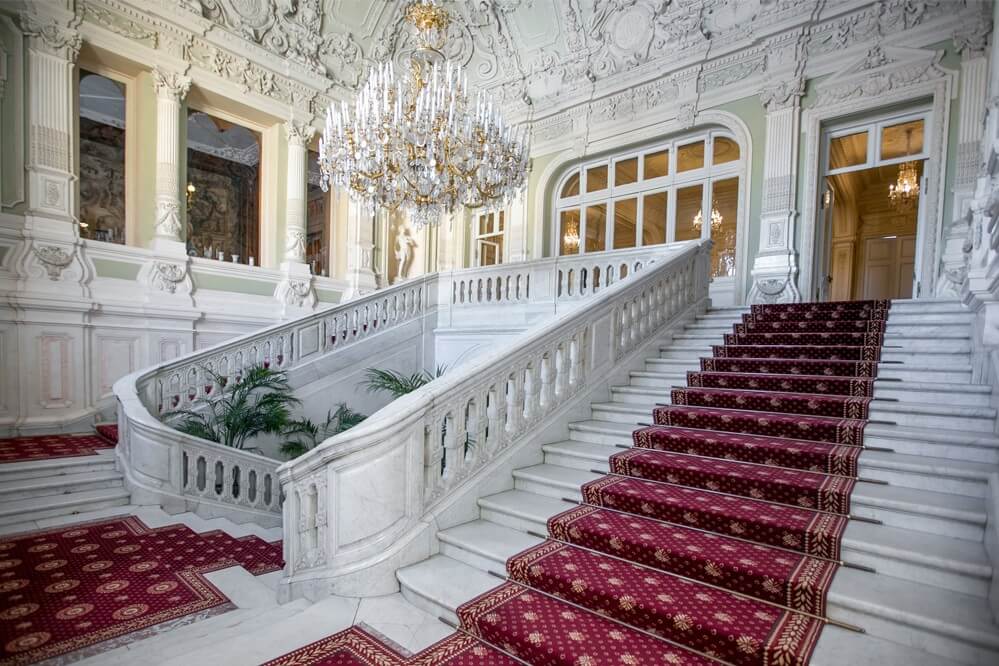
A guided overview excursion in Russian and English.
Manege Central Exhibition Hall
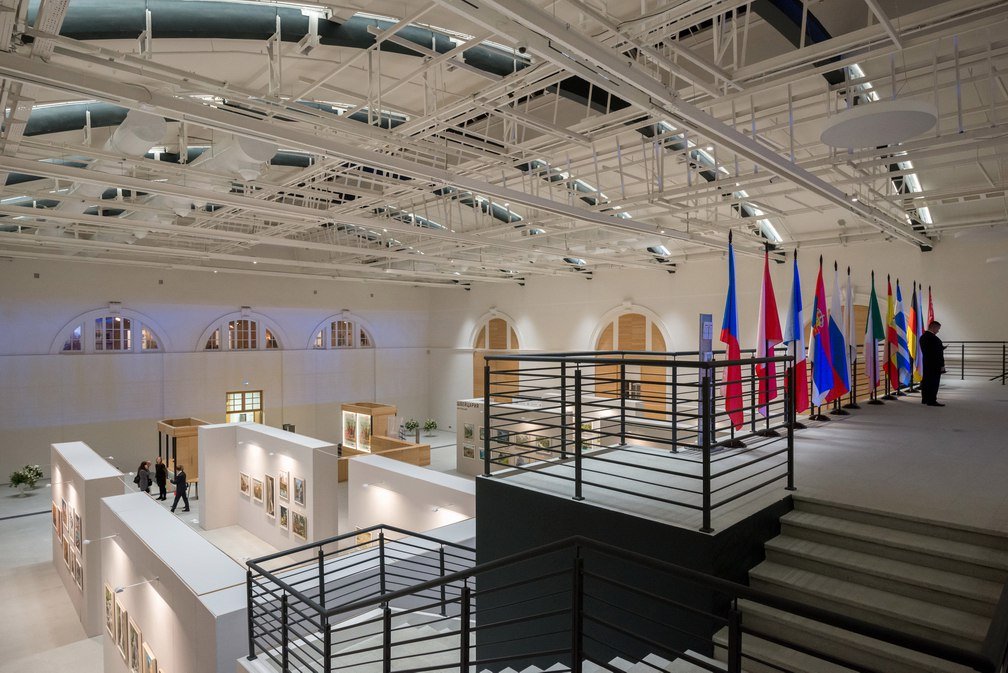
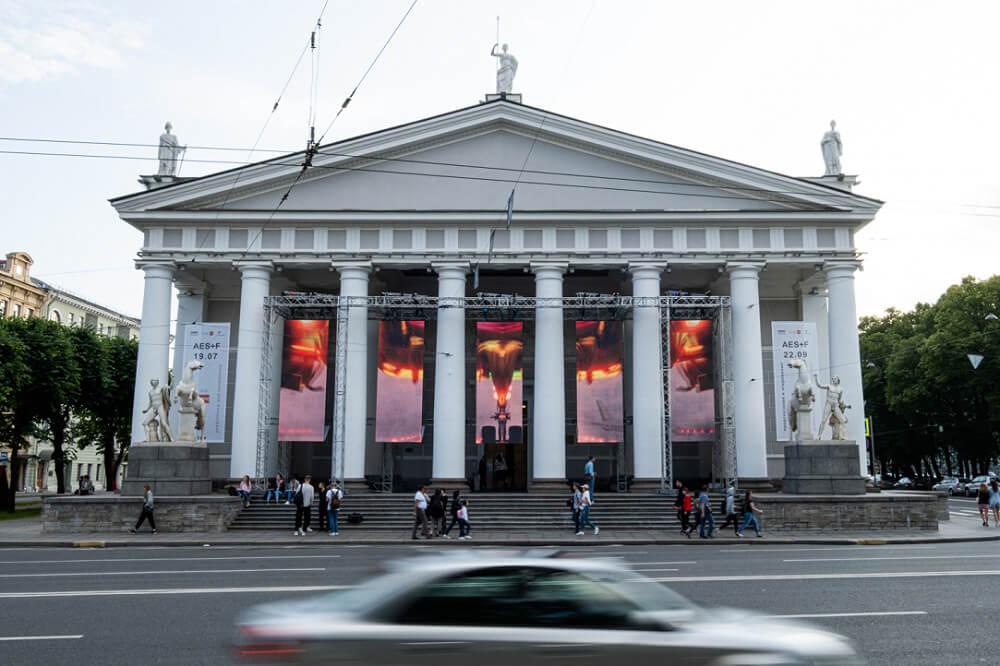
The Manege Central Exhibition Hall is the largest exhibition space in the centre of St. Petersburg. Its main activity is holding art exhibitions and accompanying events — lectures and master classes, seminars on art and culture, film screenings and concerts.
A guided overview excursion of the exhibition in Russian and English.
Lectures and Master Classes
- Guest speaker lectures — experts will share the project experience of the industrial partner company and analyse real-world cases with the students.
- «Druzhba Fest» friendship festival — for participants to get acquainted with one another's national cultures.
- «How to Enrol in a Master's Programme?» talk — a presentation of the Advanced Engineering School's master's programmes.
- Project work — building one's own product and developing project-defence skills.
Engineering Championship. Participants are divided into teams; each team's task is to design and build a bridge from spaghetti, tape and modelling clay. The test follows these rules:
- before the bridge is placed on the test supports, the roadway is inspected: the width and the size of the gaps, as well as compliance with the requirements;
- the bridge is placed on the supports;
- calibration cars are placed one by one at the centre of the bridge — first one, then a second on top of it;
- if the bridge withstands the load, cars are added successively, one after another;
- the test ends at the moment the bridge collapses.
Other Activities
- Team-building and master classes — activities aimed at helping participants get to know each other and build teams.
- An overview tour of the SPbPU campus — visiting leading laboratories and centres.
- A visit to the SPbPU History Museum — introducing participants to the university's history.